Pasadena rewards good hardscape. Long dry seasons, a handful of soakers, bright sun, and clay-heavy soils put materials through a specific test. Pick right, and a patio or driveway looks sharp for decades with minimal maintenance. Pick wrong, and you see hairline cracks, heaving edges, chalky residue, or heat-soaked surfaces that no one wants to walk on in July. After years in hardscape design Pasadena and hands-on construction across the San Gabriel Valley, I have clear opinions about what lasts here, what looks right next to our mix of Craftsman, Spanish Revival, and contemporary homes, and what quietly fails six years in.
This guide walks you through that judgment. It weighs the textures homeowners love against the physics under the surface. It also folds in Pasadena realities like hillside lots, high pH irrigation water, and city drainage expectations. Whether you are vetting a hardscape company Pasadena, scoping a new paver patio Pasadena, or rethinking a sloped side yard that erodes every first rain, material choice sits at the center.
Pasadena’s climate and soils, in practical terms
Our freeze risk is negligible, which opens the door to materials that would spall in colder places. Heat and UV sit on the other side of the ledger. On west and south exposures, dark pavers and dense stone can reach 140 to 160 degrees on a July afternoon. That matters for bare feet, patio cushions, and the microclimate around a stucco wall. Wind is light, but wildfire embers can travel. Hillsides, particularly north of the 210, bring decomposed granite and clay lenses, and many older homes sit on lots with tricky drainage paths that were never engineered. When you plan hardscape installation Pasadena, base prep and water management often dictate longevity more than the capstone material itself.
Two on-the-ground realities shape most jobs:
First, water must have a plan. Even if you choose a permeable surface, concentrated flows off roofs and slopes need routing. Second, our soils often require more compaction effort and https://maps.app.goo.gl/5nN29NcEJL8uTtRy8 sometimes geogrid or stabilization than the online how-to videos suggest. If a patio has a few inches of bounce at the edge the day the crew leaves, it will not get better with time.
How materials age here
The first month tells you almost nothing. The first rain and the first summer do.
Concrete and cementitious materials, including many mortars, show efflorescence as salts migrate up and out. In Pasadena it is common for pavers, cast stone, and even natural travertine to haze after winter rains. Usually this subsides by late spring, and a light acid wash later can reset the look. Dense porcelains resist it. Brick tends to show white staining longer, particularly if irrigation mist hits it often.
Sunlight bleaches many pigments. Some integrally colored concrete holds its shade, but topical stains can mute faster than clients expect. Natural stone lightens slightly, then stabilizes. Wood grays quickly unless you are on top of sealing. Metals patina, which can be a feature or a frustration depending on taste.
Heat moves materials. Long runs of poured concrete without thoughtful joints crack. Segmental pavers flex rather than fracture, which is one reason a paver contractor Pasadena will push interlocking systems on driveways. Porcelain and dense granites stay flatter under temperature swings, which matters when you run long bands across a pool deck.
Pavers versus poured concrete, and where each shines
If you want clean lines at a budget-friendly price per square foot, poured concrete is hard to beat. A broom finish still looks right next to a 1930s bungalow, and a salt finish pairs well with a Mission Revival courtyard. When a patio needs a custom curve or a single uninterrupted slab under an outdoor kitchen, concrete pours fast. The trade-off, as every patio contractor Pasadena knows, is cracking risk. Even with saw cuts and rebar, hairlines appear. They are not structural failures, but they bug detail-oriented homeowners.
Interlocking concrete pavers cost more upfront once you calculate base prep, edge restraint, and labor. They pay you back with flexibility. If a tree root grows, you lift a few units, shave the root, reset the bedding, and move on. Oil drips on the driveway, you swap a stained paver for a new one. Pavers also vent water between joints, which reduces puddling and glare. Because Pasadena does not wrestle with snowplows or road salt, paver surfaces stay attractive longer here than in harsher climates.
Anecdotally, we see poured concrete patios look crisp for 5 to 8 years before the hairlines, scaling at edges, and color fade start to nag. Quality paver patios often look near-new at 10 years with light maintenance and a careful reseal at year 5 to 7 if you prefer a richer tone. Either path can be right. On a formal modern home where a single plane matters, I will still recommend concrete with tight joint planning. For most family backyards, I favor pavers.
Natural stone, chosen for Pasadena light
Natural stone brings variation and depth that manufactured units can only imitate from a distance. The key is to select for density, finish, and even foot feel.
Travertine has been a darling around pools because, in a honed or tumbled finish, it feels cool underfoot and reads as timeless. landscaping guidelines The worry is fill pockets. In cheaper lots, those voids open within a few seasons as traffic wears the filler. I specify premium dense travertine for pool decks and steps, and I leave it unsealed or use a penetrating sealer that does not add gloss. Sealing too soon can trap moisture and enhance efflorescence.
Limestone leans soft unless you choose denser varieties. In high-traffic paths in front yard landscaping Pasadena, many limestones cup at the edges after a few years if bedding is not perfect. For patios, a brushed limestone in lighter tones helps with heat buildup.
Granite is durable, but on south-facing patios the darker speckle can cook. Keep granite for bands, accents, or shaded areas. Sandstone varies widely by quarry. I avoid very soft sandstones near pool waterlines. Bluestone, true bluestone from the East, performs well, but it can stripe if sealed unevenly.
If your garden design Pasadena skews Mediterranean, look at porphyry and quartzite. Both take rough finishes beautifully, resist staining, and hold color. They also pair well with stucco, clay roofs, and olive foliage.
The rise of porcelain pavers
Porcelain pavers have matured from a niche to a mainstay in outdoor living design Pasadena. They are dense, nonporous, and colorfast. Many lines have slip-resistant textures rated for wet areas, which matters around pools and outdoor showers. Porcelain stays cooler than dark concrete but warmer than travertine. It cleans easily, and it shrugs off efflorescence.
The catch is support. Porcelain wants a perfectly prepared bed or pedestal system. A lumpy base telegraphs through. On rooftop decks or over waterproofed balconies, porcelain on pedestals avoids penetrations and allows for easy pitch to drains. At grade, I like a concrete base with a bonded mortar bed for driveways and heavy-use patios. If you prefer a flexible system, use a high-quality bedding and edge restraint and mind joint fill choice, since sand that is too coarse will not lock well between thin profiles.
Brick that belongs
Brick ties seamlessly to Pasadena’s Craftsman and Colonial Revival history. Reclaimed brick brings instant character, but it arrives with old mortar clinging and variable thickness. Budget time for sorting and setting. For new units, look for through-body color rather than surface coatings. On driveways, a herringbone pattern distributes loads, and a soldier course at the edges protects the field. Brick stays cooler than charcoal pavers and pairs well with decomposed granite in garden landscaping Pasadena where you want a soft, pedestrian feel.
Be realistic about maintenance. Brick is thirstier than concrete pavers. Hard water spots from overspray will show. Keep irrigation heads tuned and consider a low-sheen penetrating sealer if you want to delay mossing in shaded runs.
Decomposed granite and gravel, done like a pro
DG and gravel fit drought tolerant garden Pasadena projects and xeriscape landscaping Pasadena because they read natural and drain. The two problems I am called to fix most often, dust and rutting, trace back to missing stabilizer, inadequate compaction, or poor edge detail. On flatter areas, a stabilized DG, compacted in lifts over a compacted base, creates a firm, ADA-friendly surface that still looks organic. On slopes, use terraces or header boards to break runs. In tree root zones, DG often outperforms hard paving because it flexes without choking the roots.
Choose color carefully. Gold DG glows nicely in evening light but can skew orange next to cool gray houses. A gray or buff blend is often safer. For pathways in backyard landscaping Pasadena, a 3 to 4 inch depth over a geotextile with steel or concrete headers holds shape. Plan a refresh top dressing every 3 to 5 years if heavy traffic scuffs the surface.
Wood and composite accents
While most of this article focuses on mineral materials, wood still wins for warmth. Ipe and other dense hardwoods handle sun well if you accept graying or commit to oiling twice a year. Composites resist rot but can heat up and, in some lines, look synthetic in bright light. Use wood where feet appreciate it, like a small deck off a primary suite, and transition to pavers or stone in larger entertaining spaces. A hardscape builder Pasadena who understands the interface between deck framing, ledger flashing, and adjacent patios will save you future headaches with trapped water and uneven settling.
Retaining walls that hold ground and look right
Slopes are a fact of life across much of the city. The choice between a segmental retaining wall system, poured-in-place concrete, or mortared stone depends on height, surcharge, and the look you want.
Segmental systems, when installed correctly with geogrid and proper backfill, handle 2 to 8 feet of rise elegantly without cracking. They flex slightly, and their block faces now come in textures that read less like highway medians. For retaining wall installation Pasadena on narrow side yards, they go in fast and make good use of space.
Poured-in-place walls give you smooth planes for modern designs. They demand formwork skill, steel, and drainage. A French drain and weep holes are not optional. For Spanish or Mediterranean homes, a CMU wall with a cement plaster finish matches the architecture and can include niches or tiled caps. Mortared stone looks beautiful, but it requires a mason with restraint. Too much mortar shows poorly over time, and insufficient drainage behind a stone face leads to bulges.
If you are vetting a retaining wall builder Pasadena, ask about soil reports on any wall over about 4 feet visible height and request details on backdrain, filter fabric, and compaction equipment. Pretty faces crack when the behind-the-scenes work is thin.
Water management, the quiet backbone
Even the most stunning patio fails if water lingers in the wrong place. A drainage contractor Pasadena approaches a yard like a roof. Every square foot needs a path to daylight or a designed infiltration zone. In practical terms, successful yard drainage Pasadena usually combines subtle slope in surfaces, permeable joints or sections, and a network of area drains or slot drains that catch roof leaders and deck runoffs. On older lots with clay subsoils, test infiltration before committing to dry wells. For landscape drainage Pasadena, remember that leaf litter clogs small grates fast in fall. Choose drain covers you can pop easily and clean.
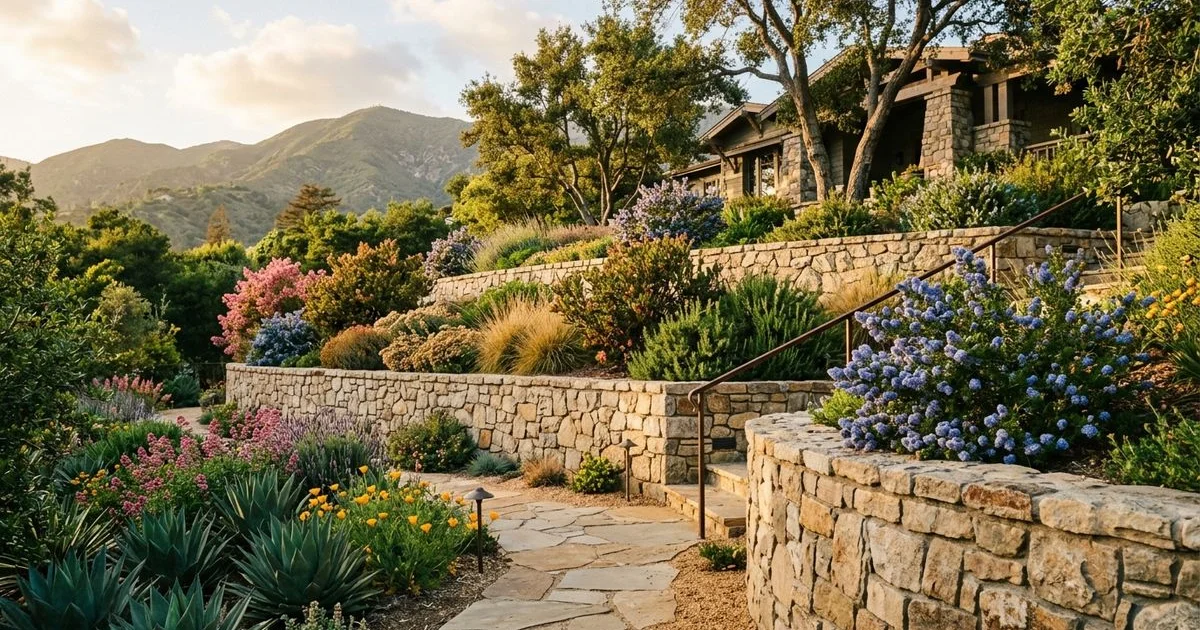
Permeable paver systems deserve a mention. They manage stormwater where codes require on-site handling or where you simply want to recharge the ground. The base for permeable systems costs more because it uses open-graded stone rather than compacted fines, and it requires care to keep fines out during construction. In return, you get minimal surface runoff and potentially smaller or fewer hard pipe drains. For flat driveways near property lines, this often solves neighbor concerns about runoff.
Pools and patios that stay comfortable
Pool decks in Pasadena want cool underfoot, grippy when wet, and elegant in bright sun. Dense limestone and light travertine excel. Porcelain with a textured finish is fantastic if you want a modern palette or larger formats with tight joints. Avoid dark charcoal near water unless you have deep shade. For coping, a eased square edge reads more contemporary and is kinder to shins than sharp arrises.
On patios, consider how furniture legs interact with joints and textures. Deeply tumbled stone can wobble under slender chairs. Large-format porcelain or tight-jointed pavers create more stable footing for dining tables. Think about reflected glare into living room windows. A lighter surface reduces heat but can brighten too much in midday sun. Sample panels help. Stand on them at 2 p.m. Before you decide.
Driveways that carry weight without drama
A paver driveway, installed over an 8 to 12 inch compacted base with polymeric sand or joint stabilizer, handles cars gracefully and resists oil stains with right sealers. Concrete driveways are still common and work well if joints, steel, and subgrade prep are done with discipline. Brick on a driveway looks terrific in older neighborhoods, but use a robust pattern and confirm the brick’s compressive strength. For steep drives, textured pavers or broom-finished concrete improve traction. Where city aprons meet private drive, align joints to reduce random cracks at the interface.
Paths and entries that set tone
Entry paths do more than get you to the door. They frame the home, coordinate with front yard landscaping Pasadena, and cue drainage. In narrow setbacks, a 3 foot path feels pinched. If space allows, aim for 4 feet or create pullouts near planting pockets. Materials with fine aggregate or microtexture feel better in thin sandals than rough split stone. Integrate lighting early. Low, shielded path lights with warm color temperatures read elegant and avoid glare.
Outdoor living features that earn their footprint
Outdoor kitchens, fireplaces, and seating walls shift how families use yards. Masonry that supports heat or food needs special attention. For built-in grills, keep combustible materials away and select counter surfaces that shrug off temperature swings and red wine. Porcelain slabs excel, as do dense granites. For fire features, choose burners rated for outdoor use and specify glass or lava that will not pop. Low seating walls at 18 to 20 inches high add casual perches and define spaces without fences. A skilled outdoor living contractor Pasadena Ridgeline Outdoor Living will integrate gas runs, lighting conduits, and drainage sleeves before the finish work starts, saving you from core drilling your new walls later.
For luxury outdoor living Pasadena, materials quiet in color and loud in craft tend to age best. Mitered corners that truly meet, clean reveals at stucco returns, and switchgear placed exactly where your hand reaches in the dark feel expensive long after guests forget the brand of appliances.
Synthetic turf, when and how
Artificial grass Pasadena has come a long way. The better products have multi-tone blades, realistic thatch, cooler fibers, and perforated backings that drain quickly. For pet yards, an antimicrobial infill and a rinse line built into the plan make maintenance sane. Artificial turf installation Pasadena lives or dies on base prep. A lumpy substrate creates trampolines in year two. Use a compacted, permeable base, roll the turf with seams planned out of primary sightlines, and power broom the fibers upright after install.
For synthetic turf Pasadena in front yards, be honest about look. The best installs pair turf panel shapes with planting beds that break straight edges. In full sun, any turf heats up. Shade trees or pergolas bring comfort back. If you prefer real green, water wise landscaping Pasadena Ridgeline Outdoor Living strategies with natives and drip irrigation remain the gold standard for biodiversity and long-term cost.
Sustainability and maintenance, without moralizing
Durability is sustainable. So is repairability. Segmental systems and modular stone let you fix small areas without demoing the lot. Permeable joints cut runoff. Light colored finishes reduce heat islands around stucco walls, keeping interiors cooler. LED path lights sip power. None of this sacrifices style.
Maintenance sounds boring until you put a number to it. Expect to rinse porcelain and dense stone a few times a year. Plan to top up polymeric sand in paver joints every 3 to 6 years depending on traffic and power washing habits. Sealers on concrete and some stones stretch color life but add a reseal task every few years. If you hate that idea, skip topical sealers and live with a more natural patina. For garden landscaping Pasadena that blends DG paths with beds, a spring rake and a couple of bags of top-up material keep edges tidy.
Budgeting with eyes open
Material cost is only part of your project. Base prep, demolition, disposal, access, and details like drains and lighting can equal or exceed finish costs. On a flat backyard, a quality paver patio Pasadena might land in the mid to high double digits per square foot, installed, depending on access and pattern complexity. Natural stone can run higher, especially with thick pieces or large formats. Porcelain sits in the middle to upper range because it demands careful handling and cutting. Poured concrete remains cost-effective, but if you want integral color, decorative saw cuts, and a refined finish, it moves out of the bargain bin.
Spend where touch and time intersect. Steps, seating edges, kitchen counters, and entries earn nicer materials. Spend quietly on what no one sees: base thickness, compaction, drainage, sleeves. That is what makes a hardscape look the same on year ten as it did on day ten.
Choosing a partner you trust
Credentials matter, but so does a builder’s willingness to talk through trade-offs. Ask a hardscape builder Pasadena to show you work older than five years. Walk it. Look at edges, drains, and joints. Note how materials aged. If you are interviewing a patio contractor Pasadena or paver contractor Pasadena, ask about base depth, compaction equipment, joint sand type, and how they handle transitions at door thresholds. For retaining wall installation Pasadena, request details on backdrain, fabric, and tiebacks, not just the face. If you want design help, the best landscape contractor Pasadena will own the whole outdoor living spaces Pasadena plan, including planting, irrigation, and lighting, or coordinate tightly across trades. Firms focused on luxury landscape design Pasadena Ridgeline Outdoor Living should be ready to mock up material palettes and build sample panels on site when the stakes are high.
A quick material match for common Pasadena goals
- Cool, barefoot-friendly pool decks: premium travertine, textured porcelain, light limestone Low-maintenance family patio with repair flexibility: interlocking concrete pavers in mid tones Historically sympathetic front walk: brick in herringbone, or cut stone with tight joints Organic garden paths: stabilized decomposed granite with steel headers Modern, crisp courtyards: large-format porcelain on pedestals or a smooth-troweled concrete with strategic joints
Putting water, power, and structure in the plan first
Before finish choices, map every utility that touches the hardscape. Where does roof water land, and how will it move out? Do you need a gas stub to a future fire bowl, or a 240V line to a future spa? Will future shade structures need footings under today’s patio? On older homes, slab elevations might vary at different doors. A good patio construction Pasadena plan sets finish heights to avoid tripping at thresholds and to keep water moving away from sills.
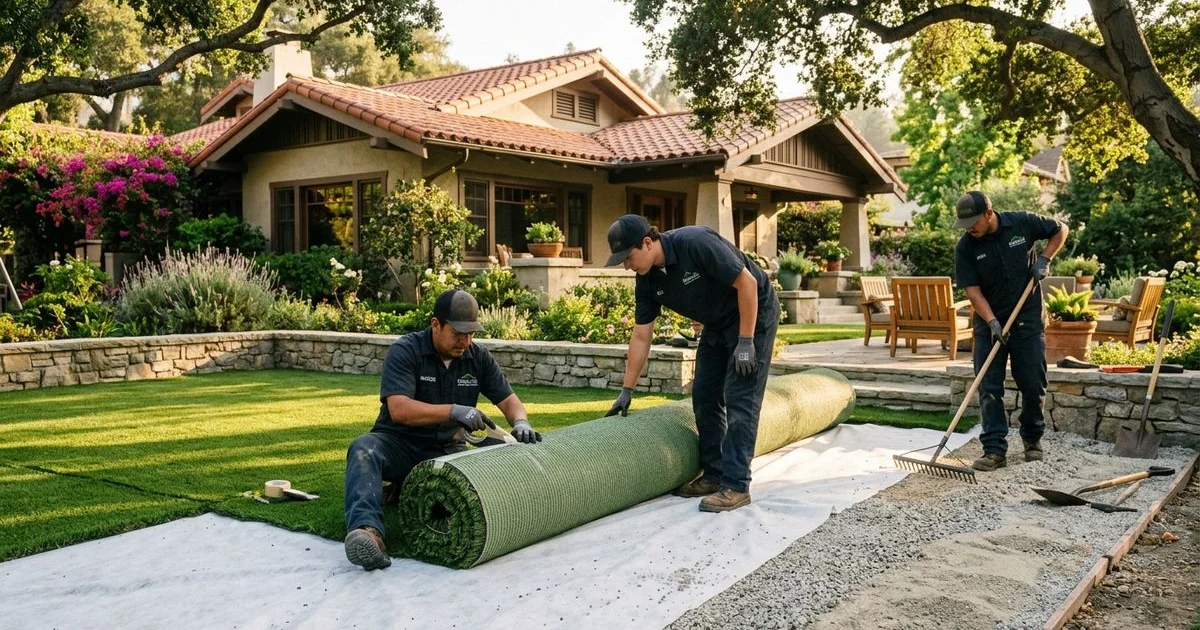
This is where a drainage contractor Pasadena earns their keep. A gentle 1 to 2 percent slope across patios is usually enough. Slot drains at the base of steps or along a long wall collect water that would otherwise seek your foundation. If your lot backs to a neighbor on a lower grade, be a good citizen and catch, treat, then release to an approved point or dissipate on site per code.
Two site stories that saved clients money
On a Craftsman in Bungalow Heaven, the homeowner wanted a poured concrete patio with a 16 foot span under a pergola. The soil was expansive, and mature camphors ran a root network along the edge. We proposed interlocking pavers over a stabilized base with a geotextile separator. Ten years in, a handful of pavers were lifted by roots. The fix took two hours and no jackhammer. If it had been a slab, we would be staring at a map of cracks.
In Linda Vista, a steep side yard funneled water to a lower patio that stayed slick all winter. Rather than chasing sheen with sealers, we rebuilt the patio with a permeable paver system, added a discreet slot drain along the house, and redirected two roof downspouts into an infiltration trench upslope. The result felt the same underfoot, looked similar to the original, and the homeowner stopped bleaching algae off the surface.
Pre-construction checklist for a smooth hardscape build
- Confirm finish elevations at door thresholds and tie-ins to existing walks and driveways Decide where every roof leader, area drain, and overflow will daylight Map gas, water, and electrical runs with sleeve locations before base work starts Approve a material sample board and, when possible, a small mockup panel on site Clarify maintenance expectations: sealing schedule, joint sand type, and cleaning methods
Making drought work for beauty
You can have a water wise yard that does not look sparse. Hardscape gives plants the stage. Broad paver or stone areas, tight DG paths, and simple walls frame drifts of sages, manzanitas, and grasses. Drip irrigation avoids wetting paving edges and keeps brick and stone cleaner. With xeriscape landscaping Pasadena, choose a few strong materials, repeat them, and let planting carry the color and seasonal change. If a section of lawn still makes sense for kids or a dog run, synthetic turf in a compact area behind screening solves for water, while native shrubs and permeable paths dress the front.
When a client points to a magazine spread of luxury outdoor living Pasadena with broad travertine planes and a glassy pool, I always ask about summer use and shade. A simple pergola, a few strategically placed trees, and a lighter stone make that space liveable from May to September. Luxury looks better when it is actually used.
Final thoughts from the field
Materials are taste. Performance is not. Any competent hardscape company Pasadena can order the same pallets you can. The difference lies in the underlayment, the joints, the way a drain is set square to a grout line, and the foresight to run a spare sleeve under a path for the low-voltage cable you will want next year. When a team coordinates patio design Pasadena Ridgeline Outdoor Living with planting and lighting, the result feels inevitable, not assembled.
If you take nothing else, take this: choose materials you like in the light you actually have, over a base that can breathe and drain, installed by a crew that can show you five-year-old work. Build with the idea that small fixes will be easy, because patios are living surfaces, not museum floors. Done that way, your outdoor living spaces Pasadena will look good longer, work better under our climate, and earn the time you spend there.
Business Name: Ridgeline Outdoor Living
Address: 845 E Walnut St, Pasadena, CA 91101, United States
Phone: (626) 469-5822
Ridgeline Outdoor Living
Ridgeline Outdoor Living is a Pasadena-based landscape design-build company serving Greater Los Angeles with custom outdoor living, hardscape, and drought-tolerant landscape solutions. The company specializes in patios, retaining walls, outdoor kitchens, drainage, hillside projects, and turnkey landscape construction, handling projects from design and permitting through final build and warranty.
845 E Walnut St, Pasadena, CA 91101, USA
Business Hours:
- Monday – Saturday: 8:00 AM – 6:00 PM
- Sunday: Closed
Follow Us: